01 Delivery Function
Payload protection
Formulations can be tuned for selected therapeutic payloads, including peptides, biologics, and nucleic-acid-based approaches where program data support the pairing.

Advanced LNP is an enabling formulation platform for selected payload, route, and tissue-access needs. It is not the primary antiviral mechanism of the pipeline.
Advanced LNP may support payload protection, tissue targeting, controlled release, residence, and uptake when formulation creates a clear development advantage.
Formulations can be tuned for selected therapeutic payloads, including peptides, biologics, and nucleic-acid-based approaches where program data support the pairing.
Evaluation may include pulmonary, lymphoid, mucosal, central nervous system, or difficult-barrier contexts depending on the intended route and payload.
Residence time, uptake behavior, and local exposure are evaluated formulation by formulation for the intended site of action.
Research-stage materials support continued evaluation of LNP delivery concepts for difficult biological barriers, including blood–brain barrier access and central nervous system transport.
These studies are presented as delivery rationale, not as Macro HRD clinical milestones.
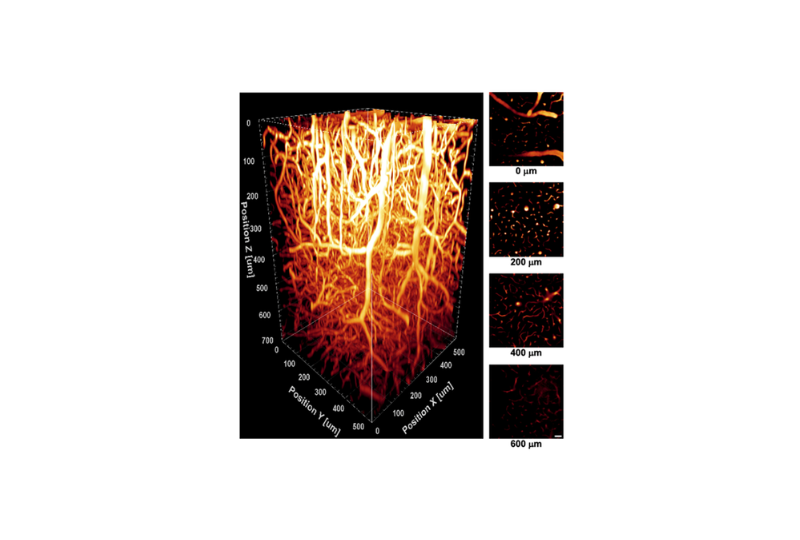
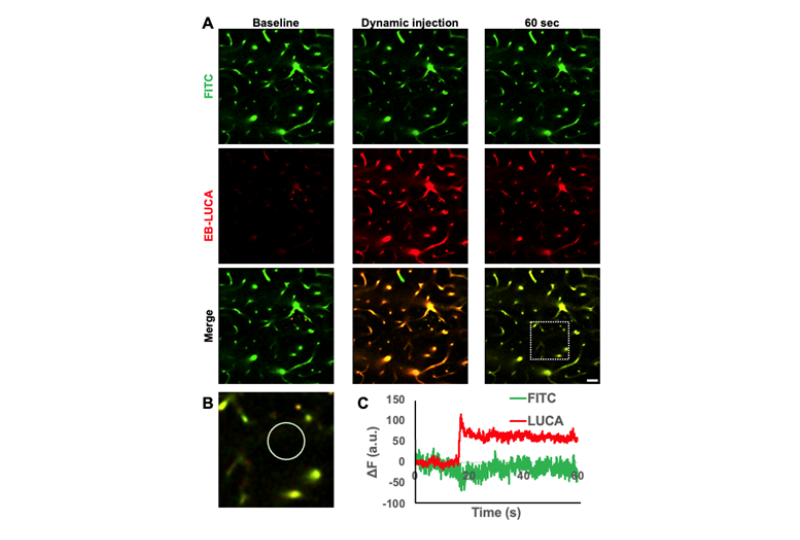
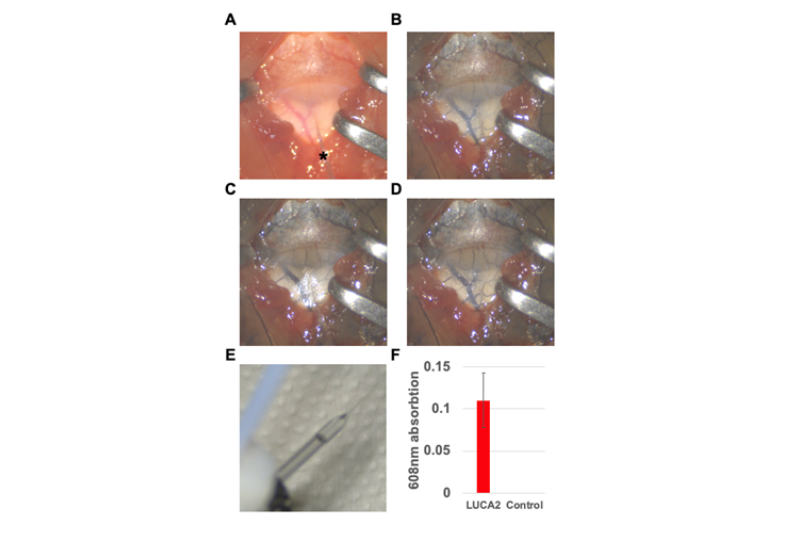


Research-stage LNP formulation work supports organ-directed delivery across selected tissue contexts, providing preclinical rationale for continued platform development.
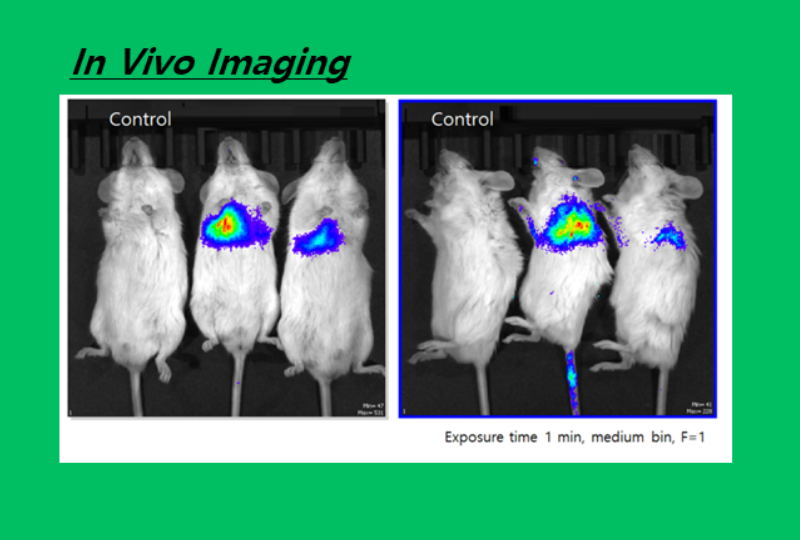
Lung-
targeting
LNP
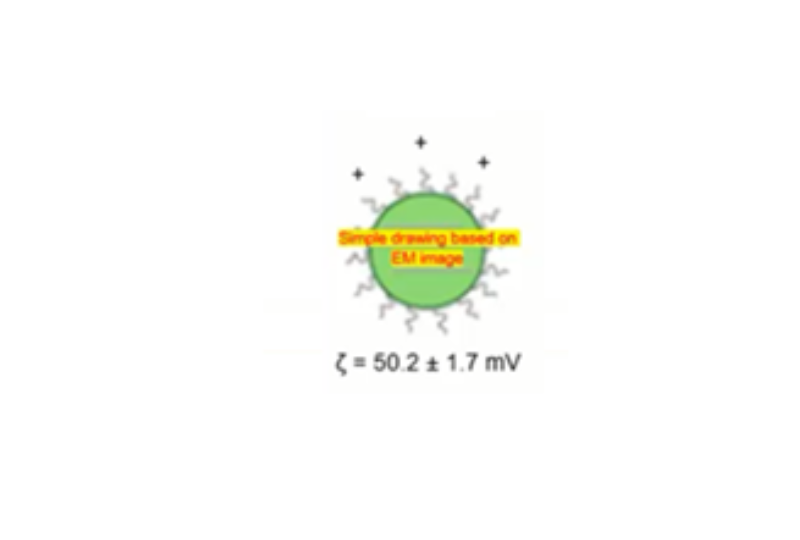
Spleen-
targeting
LNP
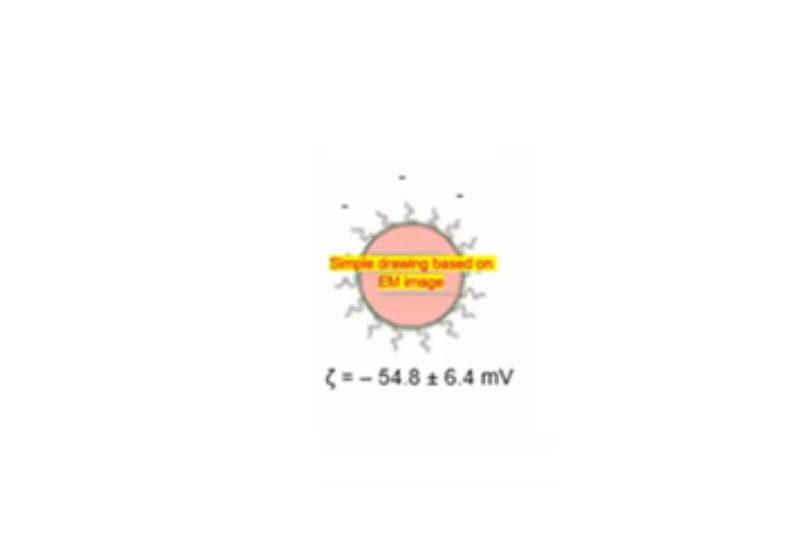
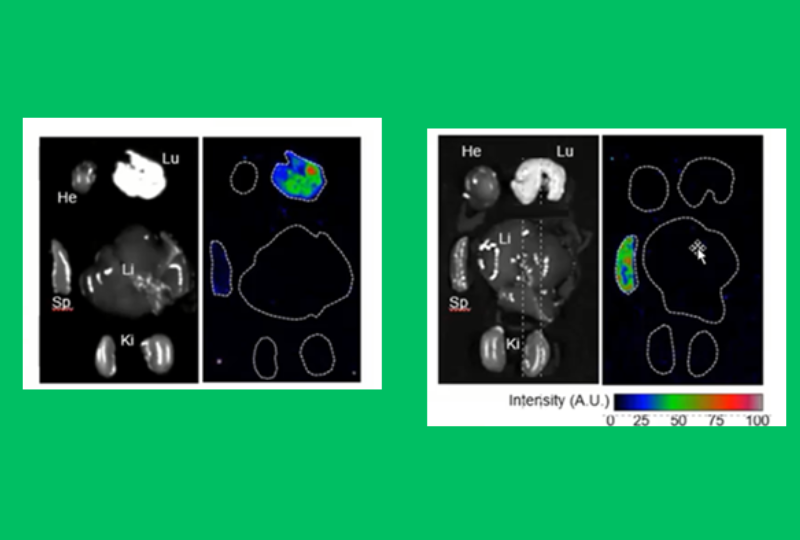
Research-stage materials describe LNP variants optimized for pulmonary targeting in lung-directed contexts.
Research-stage materials describe spleen-targeting LNP behavior relevant to lymphoid delivery and immune-compartment access.
Delivery behavior is evaluated by formulation, route, payload, and intended tissue-access need.
Available in vitro and in vivo studies are used as delivery rationale for difficult target-cell and tissue contexts.
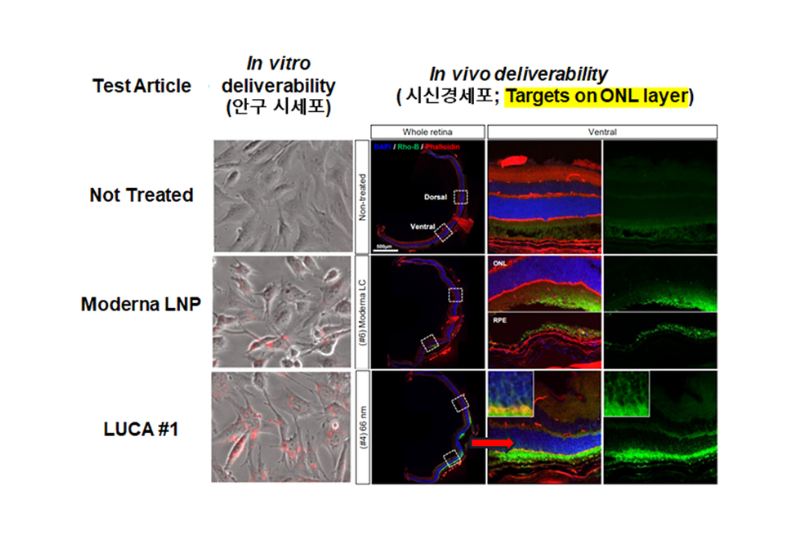
Although Macro HRD's public pipeline is focused on infectious disease, Advanced LNP may have broader relevance where formulation is a limiting factor.
Potential future applications may include central nervous system, barrier, organ-directed, mucosal, or local delivery contexts guided by future evidence.
Potential formulation support for mucosal residence, epithelial localization, and local exposure in HPV-specific studies.
Optional supportive delivery evaluation for reservoir-tissue access where formulation adds value.
Potential delivery applications in central nervous system, barrier, or organ-directed contexts guided by future evidence.
The platform may support AH-D Enveloped Viruses formulation, HIV Trispecific Antibody delivery evaluation, or HPV topical exploration where program data justify the pairing.